Joseph Haydn's Piano Trio in G major Hob XV:25 "Gypsy Trio", popularly known as the "Gypsy Trio," was composed in 1795 during the final weeks…
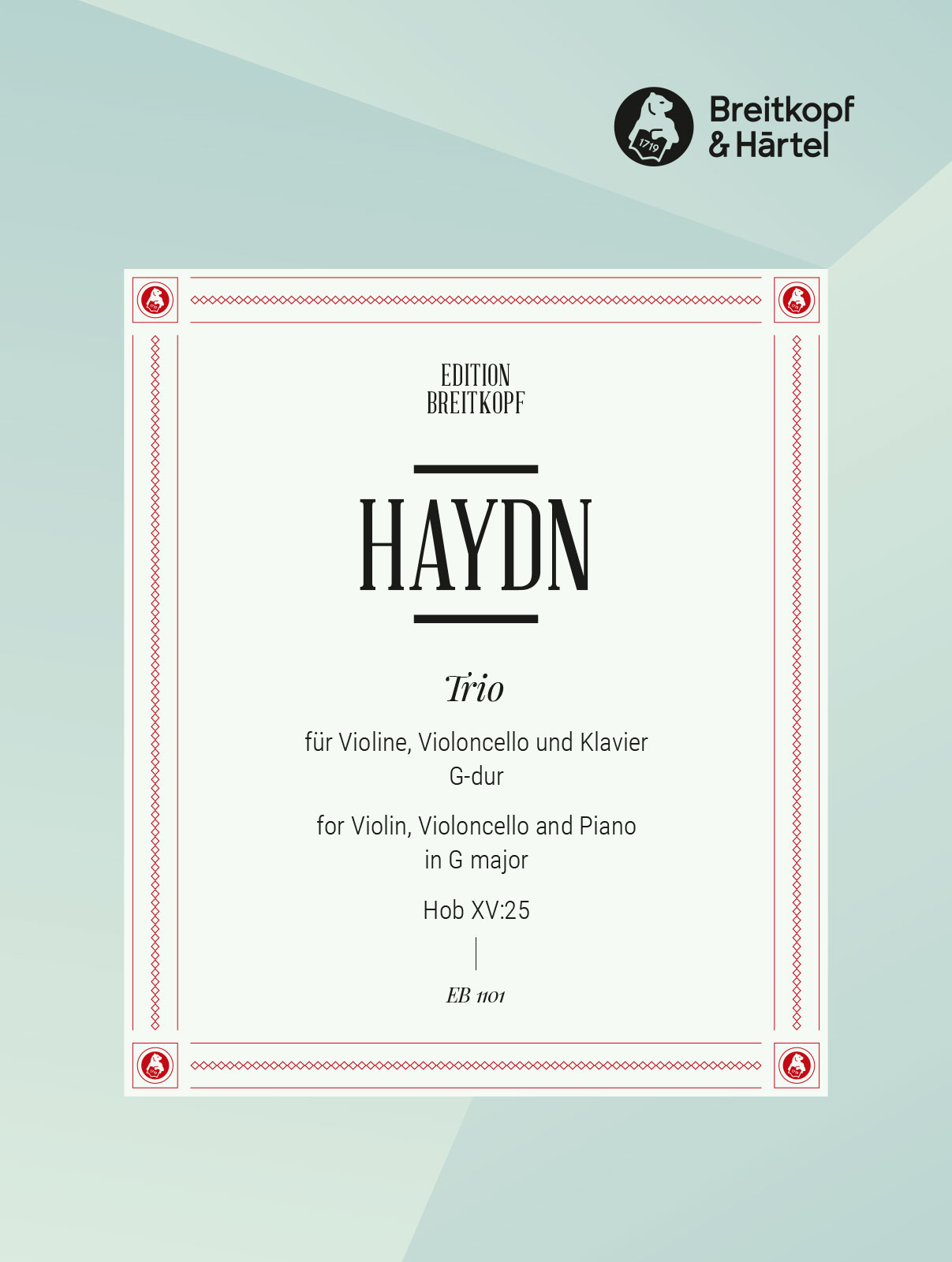
Joseph Haydn’s Piano Trio in G major Hob XV:25 “Gypsy Trio”, popularly known as the “Gypsy Trio,” was composed in 1795 during the final weeks of his second visit to London. It is part of a set of three trios dedicated to his close friend and student, Rebecca Schroeter.
The title “Gypsy” originates from the finale’s use of “Hungarian style” (all’Ongarese) and rhythmic motifs typical of Romani bands Haydn encountered while serving the Esterházy family in Hungary.
The trio was an immediate success in England and remains one of Haydn’s most performed chamber works.
The work is structured in three movements, notable for following two slow movements with a high-spirited finale:
I. Andante: A lyrical theme-and-variations movement that alternates between major and minor modes.
II. Poco adagio, cantabile: A gentle, prayer-like movement in E major (moving to E-flat major in some interpretations) featuring prominent violin melodies.
III, Rondo all’Ongarese (Presto): The famous “Gypsy Rondo” finale. It is a virtuosic, high-energy movement that incorporates Hungarian folk elements and the verbunkos (recruiting dance) style
With his approximately 40 piano trios, Joseph Haydn left a lasting mark on the development of this chamber-music genre and successfully established it as a major domain of the composer’s creative output. His last works in this genre were commissioned by English publishers; the present G-major Piano Trio of 1795 owes its existence to a contract which Haydn obtained after his second journey to London. The work became particularly popular thanks to its final movement, in which Haydn incorporated touches of exotic colors to great effect. The score bears the designation “all’ Ongarese” – a reference to Hungary that is found in the title “Rondo in the gypsies style” in the first printed editions (not only in England but also in Vienna). This movement was ultimately responsible for the work’s nickname “Gypsy Trio.”