Composer: Sibelius, Jean
Editor: Ylivuori, Sakari
Instrumentation: Male voices with/without accomp.
Publisher:
| Product Code: | 979-0-004-81691-2 |
| ISMN: | 979-0-004-81691-2 |
| Publishers Number: | ChB 5370D |
| Language: | Latin |
| Page count: | 6 |
| Condition: | New |
Sibelius’s core oeuvre includes a set of seven symphonies, which, like his other major works, are regularly performed and recorded in Finland and around the world. His best-known compositions include Finlandia, the Karelia Suite, Valse triste, the Violin Concerto, the choral symphony Kullervo, and The Swan of Tuonela (from the Lemminkäinen Suite). His other works feature pieces inspired by nature, Nordic mythology, and the Finnish national epic, the Kalevala; over a hundred songs for voice and piano; incidental music for numerous plays; the one-act opera The Maiden in the Tower; chamber music, piano music, Masonic ritual music, and 21 publications of choral music.
Sibelius composed prolifically until the mid-1920s, but after completing his Seventh Symphony (1924), the incidental music for The Tempest (1926), and the tone poem Tapiola (1926), he stopped producing major works in his last 30 years—a period commonly referred to as the “silence of Järvenpää”.
Although he is reputed to have stopped composing, he attempted to continue writing, including abortive efforts on an eighth symphony. In later life, he wrote Masonic music and re-edited some earlier works, while retaining an active but not always favorable interest in new developments in music.
The Finnish 100 mark note featured his image until 2002, when the euro was adopted. Since 2011, Finland has celebrated a flag flying day on December 8, the composer’s birthday, also known as the Day of Finnish Music. In 2015, in celebration of the 150th anniversary of Sibelius’s birth, a number of special concerts and events were held, especially in Helsinki, the Finnish capital.
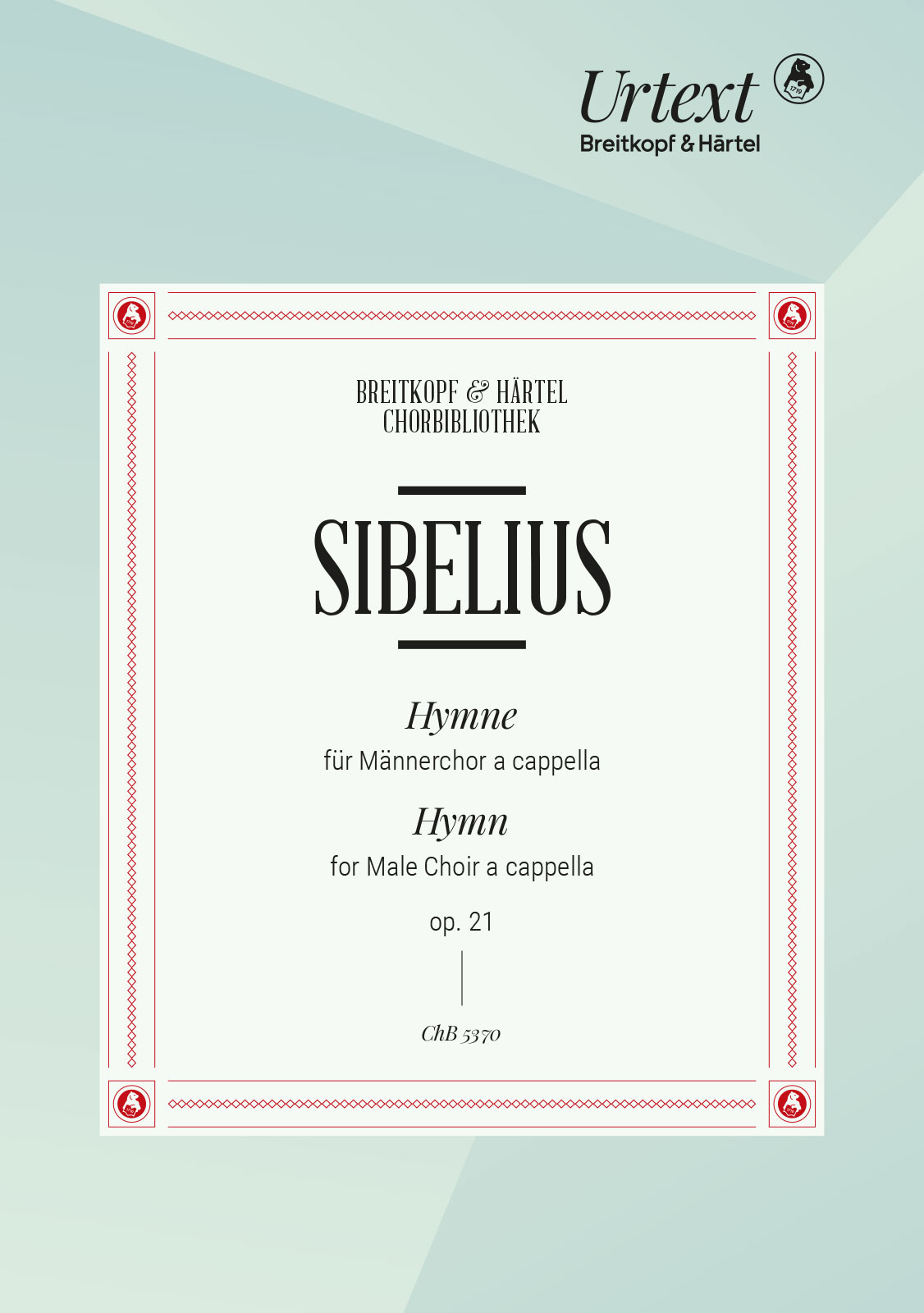
In 1896, Sibelius wrote Hymn Op. 21, also known by its initial words Natus in curas, for the unveiling of the sepulchral monument of Josef Pippingsköld…
The Latin text for Hymn was written for the occasion by Fridolf Gustafsson (1853–1924), professor of Roman literature at the University.
Sibelius worked as acting music teacher at the University at the time, and as part of his duties at the ceremony he conducted a small ensemble consisting of singers from the male choirs Akademiska Sångföreningen and Muntra Musikanter.
According to the report in Hufvudstadsbladet on the following day, “the simple unveiling ceremony was given a particularly impressive ending by a hymn composed for the ceremony by Jean Sibelius in an old Italian style.”
The work was included in a choral collection published in 1899, for which Sibelius made small revisions, mostly by interchanging the inner-voices in some passages and reworking the ending by extending the last phrase.
This version was published in the Complete Edition on which the current practical edition is based.
Urtext based on the Complete Edition “Jean Sibelius Works” (JSW)
R.R.P £4.00
Our Price: £3.00
Digital Download – PDF
Shipping costs: No shipping
Please create and forward a copy of this publication to the customer
Your basket is currently empty!
Notifications